

ADB-BUTINACA – Exploring Toxicology and Public Health Risks
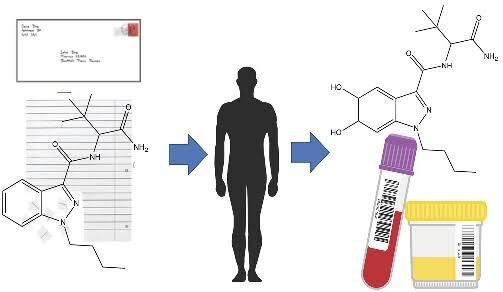
Synthetic cannabinoids have become an important subject in toxicology because some compounds can produce powerful and unpredictable effects on the human body. Understanding ADB-BUTINACA requires attention to its pharmacological activity, potential toxicity, uncertain composition in illicit materials, and the challenges faced by healthcare and public health professionals when responding to exposure.
Understanding ADB-BUTINACA
ADB-BUTINACA is a synthetic cannabinoid, meaning it is a laboratory-produced compound designed to interact with cannabinoid receptors. Synthetic cannabinoids can differ considerably from naturally occurring cannabinoids in their chemical structure and biological activity.
Their effects can also vary depending on the specific compound and the composition of the material involved. Consequently, a product identified by a particular informal name may not always provide enough information to determine its actual chemical contents.
Toxicological Effects
Synthetic cannabinoids can affect several biological systems because cannabinoid receptors are distributed throughout the central nervous system and other tissues. Reported effects associated with this broader class can include changes in perception, mood, coordination, heart rate, and blood pressure.
Some exposures may result in anxiety, agitation, confusion, dizziness, nausea, tremors, or unusual behavior. More severe reactions can include seizures, significant cardiovascular changes, loss of consciousness, or other acute medical complications.
The severity of a reaction can vary between individuals. Existing health conditions, exposure circumstances, other substances, and individual sensitivity may all influence the outcome.
Challenges in Risk Assessment
One of the major public health challenges involving emerging synthetic cannabinoids is limited toxicological information. Researchers may have less data about newer compounds compared with substances that have been studied for many years.
Information about long-term effects, metabolism, interactions, and repeated exposure may therefore remain incomplete. This uncertainty can make it difficult for healthcare professionals and researchers to predict every possible outcome.
Chemical Identification
Accurate identification is an important part of toxicological investigation. Laboratory techniques can help determine whether a particular sample contains ADB-BUTINACA or another synthetic cannabinoid.
Analytical testing can also help identify additional substances that may be present. This is significant because unexpected compounds can influence the symptoms experienced after exposure and complicate clinical assessment.
Public Health Concerns
From a public health perspective, synthetic cannabinoids present several challenges. Rapid changes in chemical formulations can make surveillance and monitoring more difficult. New compounds may appear before sufficient scientific information is available to characterize their risks.
Healthcare systems may also encounter patients with symptoms that are difficult to interpret when the exact substance involved is unknown. Improving laboratory detection, toxicological knowledge, and communication between health professionals can support more effective responses.
Recognizing Serious Exposure
Severe symptoms following suspected exposure require immediate medical attention. Difficulty breathing, seizures, loss of consciousness, severe chest discomfort, extreme confusion, or dangerously abnormal behavior can indicate a serious medical emergency.
When possible, healthcare professionals should receive accurate information about the suspected substance and circumstances of exposure. However, treatment should not be delayed simply because the exact chemical identity is uncertain.
Research and Monitoring
Continued toxicological research can improve understanding of synthetic cannabinoids. Scientists can investigate receptor activity, metabolism, biological effects, and potential interactions. Monitoring reports of unusual exposures can also help identify emerging patterns.
However, research findings should be interpreted carefully. Results from laboratory experiments or isolated reports may not fully represent the effects experienced across the broader population.
General Safety Awareness
Avoiding unidentified synthetic cannabinoid products is an important way to reduce exposure risks. Mixing psychoactive substances can introduce additional uncertainty because interactions may alter their effects.
Public awareness is also important. Understanding that synthetic cannabinoids can vary substantially in potency and composition may help people recognize why informal product descriptions cannot reliably establish safety.
Conclusion
Synthetic cannabinoids remain an important area of toxicological and public health research because their effects can be unpredictable and information about newer compounds may be limited. ADB-BUTINACA illustrates the challenges associated with identifying emerging substances, assessing their health effects, and responding to serious exposures. Continued scientific investigation, improved analytical testing, careful monitoring, and prompt medical attention for severe symptoms remain important components of public health awareness.