
A traffic ticket in India is usually an e-challan, an official electronic notice that says your vehicle broke a road rule and a fine is due under the Motor Vehicles Act and your state rules. You can check it and pay it on the official Parivahan e-challan portal or your state traffic police website. This is an independent guide, not a government site, so always confirm details on the official portal.
Quick facts
What it is
A digital notice of a traffic offence, linked to your vehicle number or licence.How it comes
From a traffic camera or from an officer with a handheld device.Where to check
The Parivahan e-challan portal or your state traffic police site.Fine amounts
Set under the Motor Vehicles Act and state rules, and they can change. Check the portal.If it looks wrong
Use the official grievance option, the traffic police office or the court.Points system
India does not run a US style points system on licences.
What is a traffic ticket in India
The traffic ticket meaning is simple: it is a written or digital record that a road rule was broken, with a fine to pay. In most Indian cities paper challan books have been replaced by e-challans. The e-challan carries a challan number, the vehicle number, the offence, the place and the time, and often a photo.
A traffic violation ticket is not a criminal record by itself. It is a notice that a penalty is due. If you pay it, the matter usually closes. If you ignore it, the case may be sent to a court.
How you get a traffic ticket
There are two common ways:
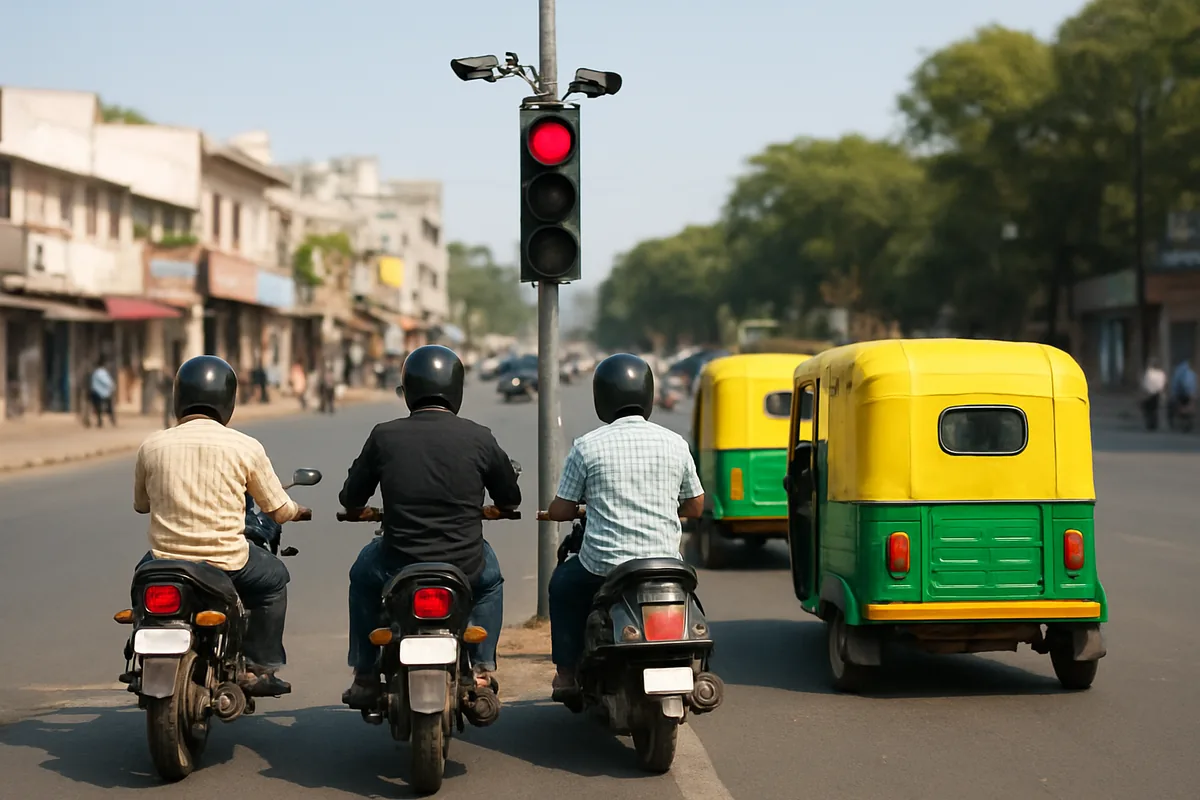
- Camera challan: cameras at signals and on highways read number plates and record offences such as jumping a red light, crossing the stop line or speeding. The system creates an e-challan and sends a text message to the mobile number linked with the vehicle registration.
- Spot challan: a traffic police officer stops you and creates the e-challan on a handheld device. You may be able to pay on the spot by card or online, as your state allows.
Because camera challans go to the registered owner, keep your mobile number updated on the Parivahan website. If you sold a vehicle, make sure the transfer of ownership was completed.
Common reasons for a challan
| Offence | How it is usually caught |
|---|---|
| Overspeeding | Speed cameras, radar or laser guns on highways and city roads |
| Jumping a red light or crossing the stop line | Signal cameras |
| Riding without a helmet, rider or pillion | Cameras and officers |
| Driving without a seat belt | Officers and some cameras |
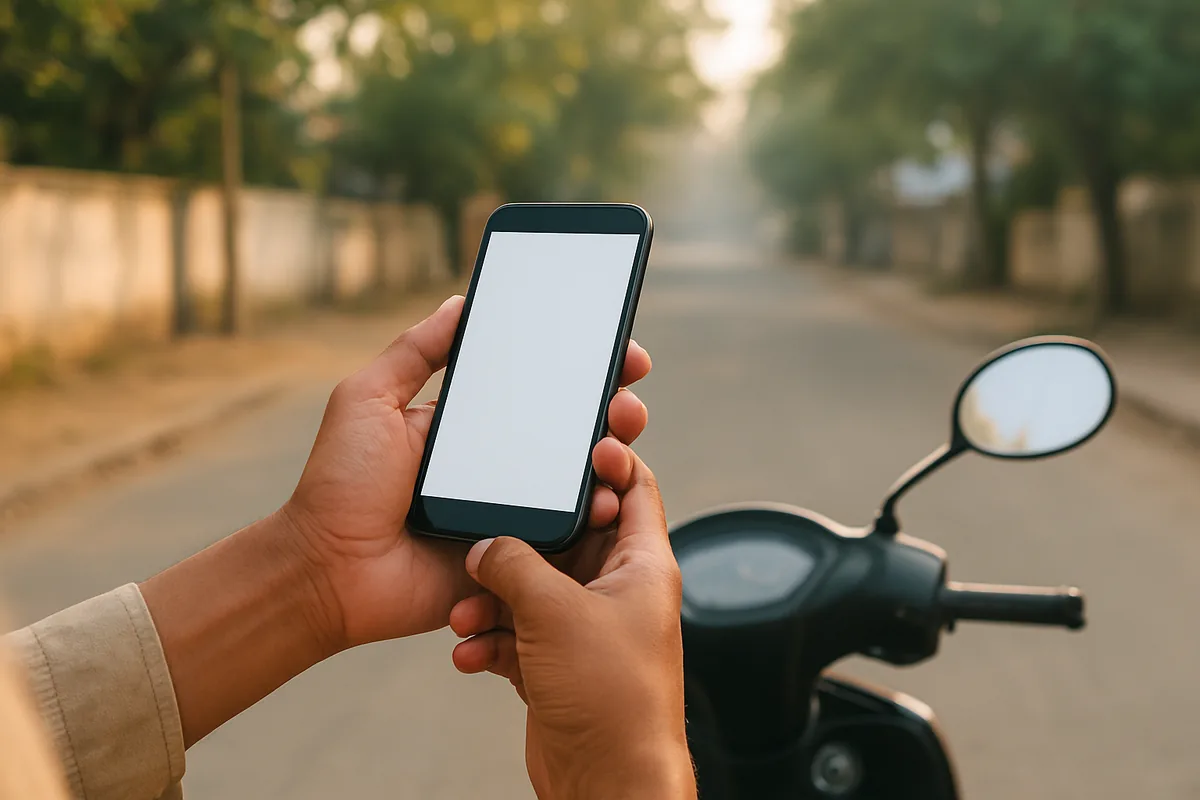
| Using a mobile phone while driving | Officers and cameras |
| Wrong side driving or no entry | Cameras and officers |
| Wrong parking | Officers, sometimes with towing |
| No valid licence, insurance or pollution certificate | Officer checks |
The amount for each offence is set under the Motor Vehicles Act and state notifications. It can differ between states and can change, so we do not list amounts here. The portal shows the exact amount on your challan.
How to check a traffic ticket online
- Open the official Parivahan e-challan portal.
- Choose the option to check challan status or pay online.
- Enter the challan number, your vehicle number or your driving licence number.
- Type the captcha shown on the screen yourself and submit.
- Read the list of challans, with offence, date, place and status.
- Open each challan to see the photo or evidence, if one is attached.
Some states, such as those with their own traffic police systems, show challans on their own website as well. If you live in such a city, check both. People often search for a traffic ticket check by city name, for example traffic ticket bangalore or kolkata police traffic ticket. The state traffic police site for that city is the right place.
How to pay an e-challan
Once you have checked the details and agree with the offence, paying is quick:
- On the challan list, select the challan you want to pay.
- Confirm with the one time password sent to your registered mobile.
- Pay by card, net banking or a payment app linked to your bank, as the portal offers.
- Save or print the receipt with the transaction number.
- Check the status again after a day to see that it shows as paid or disposed.
If the challan looks wrong
Mistakes happen. A camera may misread a number plate, or a challan may be issued for a vehicle you no longer own. Here is what you can do:
- Look at the evidence. Check the photo, number, place and time.
- Use the grievance option. Many state portals and the traffic police have an option to raise a complaint about a challan, with proof.
- Visit the traffic police office. Carry your registration certificate, licence and any proof, such as a sale letter or a photo of your own number plate.
- Contest in court. If you do not agree, you can choose not to pay and let the challan go to the court, where you can explain your side.
There is no shortcut to get rid of a correct challan. The official routes above are the only proper options.
Court and Lok Adalat in simple words
If a challan is not paid within the time shown, it may be sent to a virtual court or a regular traffic court. The court can decide the fine, and in some cases it may summon the person. You can pay the amount the court fixes, or appear and contest.
A Lok Adalat is a people's court where pending cases, including some traffic challans, can be settled. Lok Adalats are held from time to time and are announced by the legal services authority in your state. If one is announced, you may be able to settle a pending challan there. Watch your state traffic police site and local news for dates. Do not believe messages that promise a special discount, check the official notice.
Speeding ticket meaning and how speed is caught
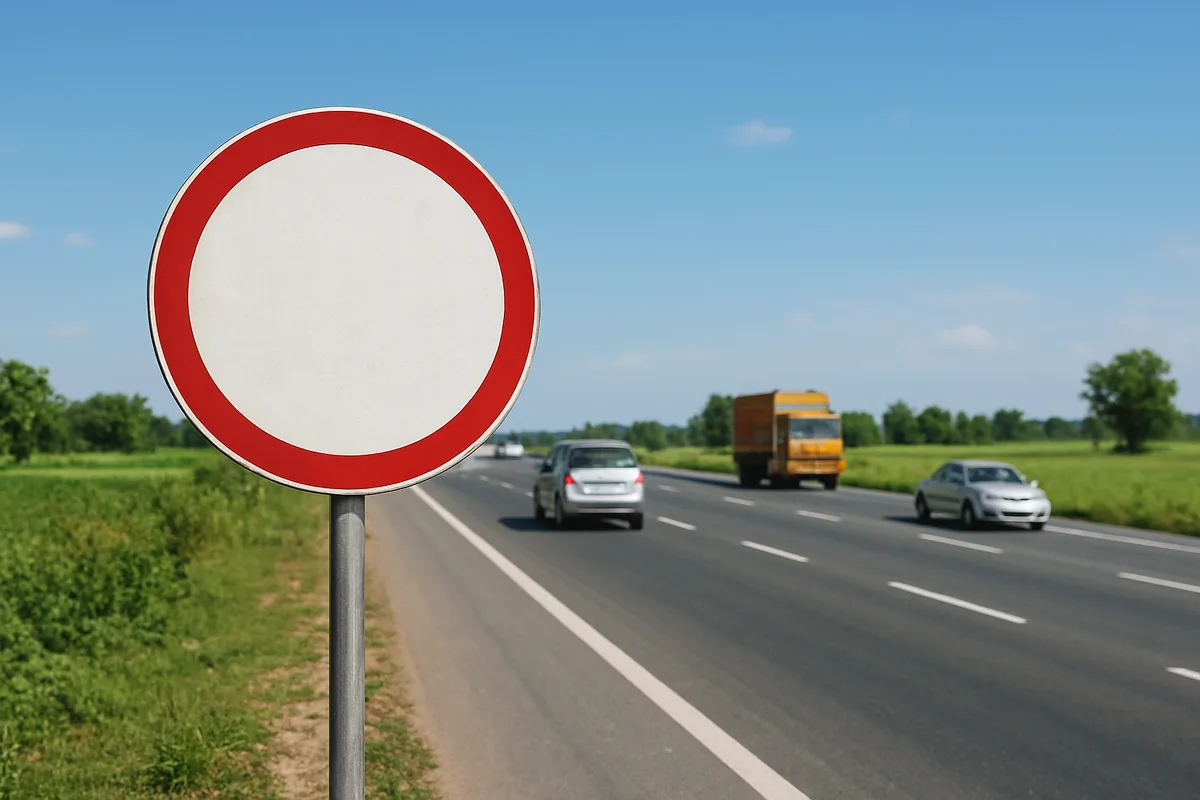
A speeding ticket is a challan for driving faster than the posted speed limit. Limits are shown on red circle mandatory signs with a number inside, and they change between city roads, highways and school zones. Near a school, slow down well below the limit when you see the School Ahead triangle.
Speed is measured by fixed cameras, by radar and by laser guns. Radar uses radio waves and covers a wider area, while lidar uses a narrow laser beam aimed at one vehicle. Either way, the e-challan usually includes the recorded speed and a photo. The best way to handle speed tickets is not to get them. Our defensive driving guide explains habits that keep your speed steady.
Speeding ticket in USA and traffic school, briefly
Many search results about traffic tickets are from the US, so it helps to know the difference. In the US, a speeding ticket usually adds points to the driver's licence record, and a driver who collects a lot of them may lose the licence for a while. Many states let drivers take a traffic school course to keep points off the record. Courts there also handle pleas and payments.
India works differently. There is no points system on licences that works like the US one, and traffic school is not an option to remove a challan. In India you pay the challan, contest it, or settle it in court or a Lok Adalat. Repeated or serious offences can still lead to a licence suspension by the licensing authority.
Driver guides in this section
| Page | What you will find |
|---|---|
| Driving test result | Meaning of the Sarathi status after your skill test, and the next steps |
| Defensive driving course | Core safe driving skills and where to learn them in India |
For school students, the School Ahead sign and traffic lights at school pages explain the rules from the walking side of the road.
Questions people ask
Is an e-challan the same as a traffic ticket?
Yes, in India an e-challan is the usual form of a traffic ticket. It is a digital notice of an offence with a fine due. You check and pay it on the official portal.
How long does a challan take to show online?
Camera challans can show within a few days, but it can take longer. If you got a text message, wait a little and check again with your vehicle number on the portal.
What happens if I do not pay an e-challan?
An unpaid challan can be sent to a court after the time limit. The court may fix the fine or summon you. Some services for the vehicle can also be held up until pending challans are cleared, as state rules allow.
Does a traffic ticket go on my record in India?
The challan stays in the system linked to your vehicle and licence. India does not add points like the US does. Serious or repeated offences can lead to licence suspension.
Can I pay a challan for someone else's vehicle?
The portal lets you search by vehicle number, so a family member can usually pay. Check the details carefully before paying, and keep the receipt.
How do I know a challan message is real?
Never use a link in the message. Open the official Parivahan e-challan portal yourself and search with your vehicle number. If the challan is not there, the message may be fake.